Introducing: Nitin Gokhale
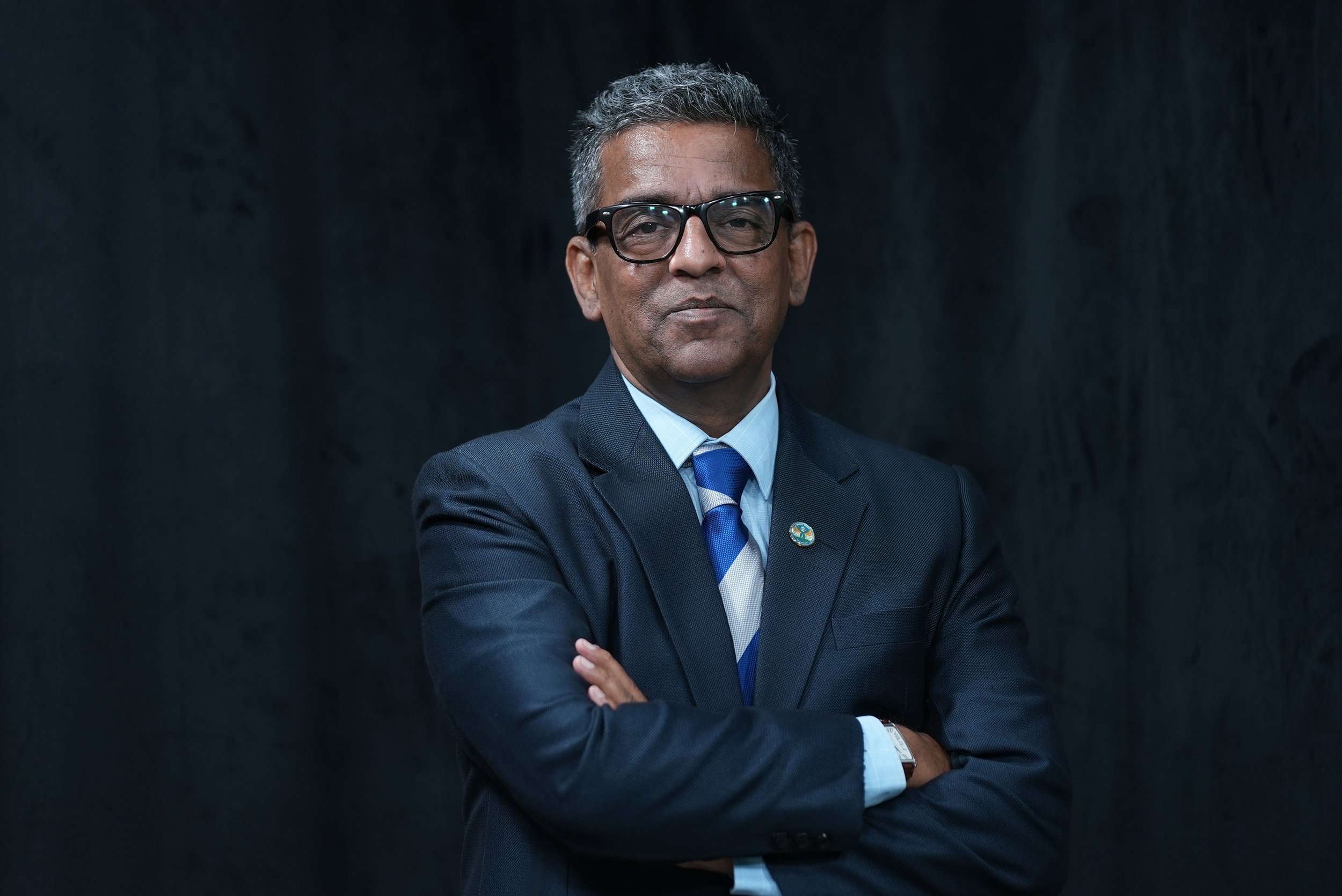
Nitin A. Gokhale is an author, thought leader and one of South Asia’s leading strategic analysts. He has over forty years of rich and varied experience behind him as a conflict reporter, editor and author. He is also a media entrepreneur who owns and curates two digital platforms, BharatShakti.in and StratNewsGlobal.com, focusing on national security, strategic affairs and foreign policy matters.
Nitin lived and reported from India’s north-east for 23 years, writing and analysing various insurgencies in the region. He has been on the ground at Kargil during the India-Pakistan war in 1999, and brought live reports from Sri Lanka’s Eelam War IV between 2006-2009.
He has authored a dozen books on wars, insurgencies and conflicts. He was Security and Strategic Affairs Editor at NDTV, a leading Indian broadcaster for nine years, before launching his own digital properties.
An alumni of the Asia-Pacific Centre for Security Studies in Hawaii, Gokhale now writes, lectures and analyses security and strategic matters in Indo-Pacific and travels overseas to speak at various international seminars and conferences.
He also teaches at India’s Defence Services Staff College (DSSC), the three war colleges, India’s National Defence College, College of Defence Management and the intelligence schools of both the Research & Analysis Wing and Intelligence Bureau.
Tell us about your early years – which city you were born in, where you were brought up and your academic and other interests during your early years.
I was born and brought up in an Army family, which meant frequent moves across the country and schooling in different cultural and linguistic environments. That nomadic upbringing instilled discipline, adaptability, and curiosity about people and places. Growing up speaking Marathi, Hindi, and English also gave me a natural ease with languages, which later proved invaluable in journalism.
My early interests were writing, reading, and sports. Journalism was not a planned career choice. I was selected as a Flying Officer candidate for the Indian Air Force, but a delay in my graduation results altered that trajectory. That unexpected turn led me, almost by chance, into journalism in 1983, when I joined The Sentinel in Guwahati as a trainee reporter.
Tell us which academic qualifications you hold, and from which universities? What were the years in which you secured them?
I completed a bachelor’s degree in Science from Pune in the early 1980s, shortly before entering journalism. Much later in my career, I attended the Asia-Pacific Centre for Security Studies in Honolulu, Hawaii. That exposure significantly broadened my understanding of global security, strategic thinking, and civil–military engagement beyond the Indian context.
What attracted you to your academic and professional interests?
My professional interests emerged from a combination of personal background and lived experience. Growing up in an Army household meant early exposure to conversations around national security and the functioning of the state.
More decisively, my formative years as a reporter in India’s North-East proved to be an intense learning ground. Covering insurgencies, border politics, and the human impact of prolonged conflict gave me a first-hand understanding of geopolitics at the grassroots. Those experiences shaped my long-term focus on defence, security, and strategic affairs.
Would you like to share with us your most fulfilling moments as a media professional?
The most fulfilling moments of my career have come from on-the-ground conflict reporting and analytical work that added value to public understanding and policymaking. Reporting from Kargil during the 1999 India–Pakistan war and covering Sri Lanka’s Eelam War IV were defining professional experiences.
Beyond frontline reporting, editing major defence stories and later building independent platforms such as BharatShakti.in and StratNewsGlobal to deepen public discourse on strategic affairs have been equally satisfying. Creating spaces for informed, non-sensational discussion has been a deliberate and rewarding choice.
Many Indian governments in the past have been accused of controlling media. How would you rate Indian media’s independence today compared to previous decades?
The relationship between Indian governments and the media has evolved significantly over time. From the relatively less contested pre-1990s environment, through the Emergency, to today’s highly competitive and polarised media landscape, the nature of pressure has changed rather than disappeared.
Today’s challenges include political polarisation, economic pressures on media organisations, and the disruptions caused by digital platforms. At the same time, there is unprecedented plurality of voices and formats. Media independence is never absolute—it reflects a continuous negotiation between political power, public expectations, commercial realities, and journalistic ethics.
What is your view on the understanding about India in Western capitals and media? Does it give opportunity to India (government, media, intellectuals) and/or the West to do anything differently?
Western policy circles and media view India through multiple, sometimes contradictory lenses: as a rising economic power, a democratic counterweight to China, and a key strategic partner of the United States.
However, this understanding is often filtered through Western geopolitical frameworks, which can underplay India’s historical experiences, regional sensitivities, and strategic culture. This gap presents both a challenge and an opportunity. India—through its government, media, and strategic community—can engage more proactively to shape narratives rather than merely respond to them.
Which internal and external factors can challenge India’s national security aspirations? Is India well-positioned to manage those?
Internally, India continues to grapple with socio-economic disparities, residual insurgencies, and the need for stronger integration between civil and military planning structures. Institutional coordination remains a work in progress.
Externally, challenges include China’s growing assertiveness, cross-border terrorism, intensifying great-power competition in the Indo-Pacific, and unpredictable strategic shifts by major global actors. India is better positioned today than in the past—owing to improved capabilities and partnerships—but adaptive policymaking and sustained reforms remain essential.
How do you think India’s security posture has evolved since the 1999 Kargil war? What do you see as India’s most significant internal and external initiatives towards achieving its longer-term national security goals?
Since the Kargil conflict in 1999, India has steadily moved from a largely reactive posture to a more proactive and structured security approach. Improvements in institutional coordination, force modernisation, intelligence integration, and strategic deterrence are notable shifts.
India’s long-term objectives now include defence self-reliance, deeper Indo-Pacific partnerships, and readiness across multiple domains—land, sea, air, cyber, and space—reflecting a more mature strategic outlook.
Which are the most important countries/regions for India to retain and cultivate strategic ties with to strengthen its national security interests, and what can India leverage from those countries?
India’s national security interests are best advanced through diversified strategic partnerships, including:
United States – technology access, defence cooperation, and Indo-Pacific balance
Russia – legacy platforms and strategic balancing
Japan and Australia – maritime security through the Quad
France and Europe – defence technology and multilateral support
ASEAN and South Asia – regional stability and neighbourhood security
Through these relationships, India can leverage advanced technologies, shared threat assessments, joint exercises, and stronger economic–security linkages, while maintaining strategic autonomy.
